
London Drainage Facilities (LDF) details exactly who is responsible for repairing our drains and sewers. Who is responsible for repairing drains? Generally, as a rule of thumb a homeowner is responsible for the drains that fall within the boundaries of their property and in the event of something going wrong, they will be required to...Continue reading→
UK House Builders Must Adopt Sustainable Drainage
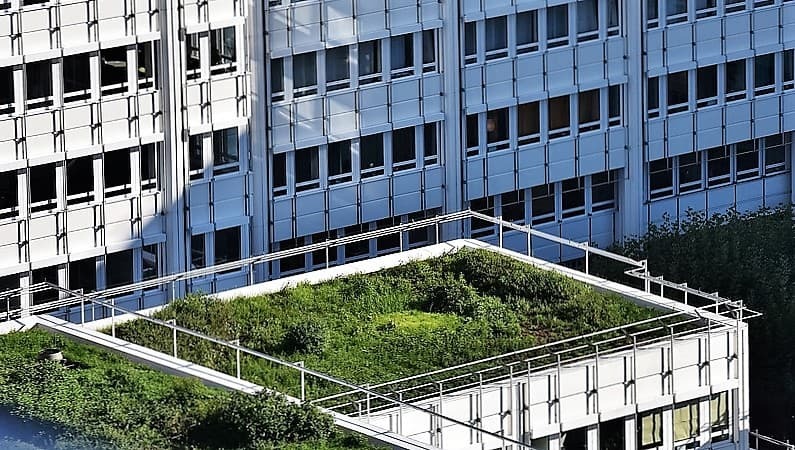 Proposed Government Bill Will Require All New Houses To Have Sustainable Drainage
Government proposal aims to prevent overburdening of the existing systems and to reduce the likelihood of surface water flooding.
The UK government’s commitment to building at least 300,000 new homes every year puts an additional strain on the nation’s sewerage and drainage systems.
Thus, the proposal that all new houses must have their own sustainable drainage systems (SuDs) has been welcomed by leading experts, including the Chartered Institution of Water and Environmental Management, who fear that the developments would otherwise put too much strain on both Britain’s antiquated networks and on the drainage contractors and other support systems that are stretched to their limits.
Former President of the Institution of Civil Engineers, Professor David Balmforth, remarked. “Flooding is one of the major challenges facing society today, yet we continue to add to the problem by building new homes in a way that makes flooding more likely. This does not have to be the case as there is a proven and low cost solution using SuDs. The Pitt Review and the Committee on Climate Change view them as a force for good; so should the law. We urge the Lords to send the Commons a Bill that will help protect society from flooding.”
Increased Flooding
There have been more and more instances of serious flooding over recent years. For example, Cockermouth in Cumbria experienced severe flooding at the beginning of December 2015 on the back of Storm Desmond. A Flood Investigation Report issued by
The Environment Agency in collaboration with Cumbria County Council concluded that flood defences were breached by abnormally high river levels and this problem was then exacerbated by storm drains reaching capacity and overflowing.
The Pitt Review, mentioned in Professor Balmforth’s remarks, came in the wake of the major UK floods of 2007. The review noted that around a quarter of the properties that flooded in the summer of 2007 had been built over the preceding 25 years. The Review recommended that revisions to building regulations for new and refurbished properties should to make them more resilient to flooding. It went on to advise against building in high-risk areas in the future.
Sustainable Drainage
Sustainable drainage systems seek to replicate natural systems to drain surface water run-off and release it slowly back into water courses without burdening existing man-made systems.
Examples include basins (shallow landscape depressions that remain dry most of the time), rain-gardens (basins with shrub or herbaceous planting), swales (shallow ditches), filter drains (gravel filled trenches), reed beds and other wetland habitats that can collect, store, and filter run-off water and also provide a habitat for wildlife.
Looking to the Future
Flood risk is only going to increase in the coming years. JBA Consulting was commissioned in 2011 by the Joseph Rowntree foundation to study how those living in urban areas are affected by surface water flooding. The report concluded that more than two million are currently at risk and that this figure will rise by more than 50% over the next 30 years.
With flooding listed in the top three risks presented by climate change, action needs to be taken now before the problem reaches unmanageable levels. The government proposals for sustainable drainage can be seen as a significant step on this important road.