
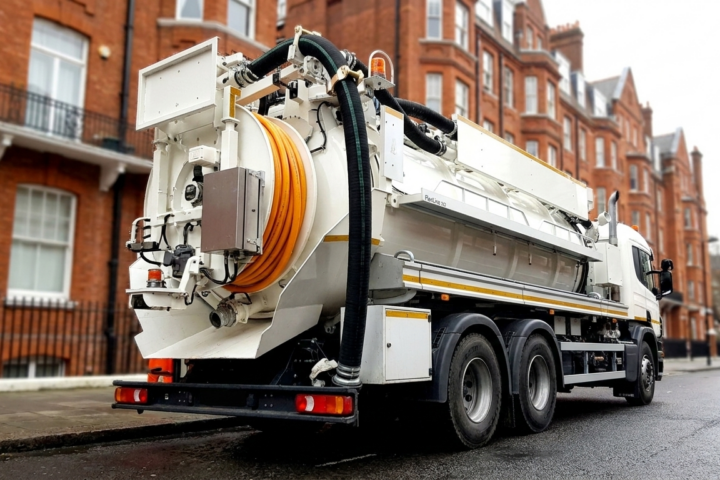
Lisa Baker July 16, 2026 LDF Group has added a new high-performance combination tanker to its fleet, sharpening response times for drainage and wastewater work across London and the South East. The Bucher Municipal FlexLine C120 brings extra jetting, vacuum and emergency capacity to the facilities management and commercial customers LDF serves. What the FlexLine...Continue reading→
World Cup demand is testing hospitality drainage
London Drainage Facilities (LDF) is urging hospitality venues to review their infrastructure as the 2026 FIFA World Cup drives higher footfall, longer dwell times and greater strain on pubs, bars and restaurants. With the tournament running until 19 July, LDF says the systems customers never see, plumbing and drainage, are the ones most likely to fail under pressure at the worst possible moment.
Many operators are already feeling the impact of major matchdays on front-of-house teams. But according to Lee Carlin, Group CEO of LDF, the pressure is not limited to staffing, screens and service.
“When venues are busy during major tournaments like the World Cup, the visible parts of the guest experience naturally take priority,” Carlin says. “That means atmosphere, service, screens, staffing levels and keeping customers moving. But behind the scenes, the infrastructure is working harder too. Higher footfall and longer dwell times mean plumbing and drainage systems are under greater strain for longer periods. If something goes wrong, it can very quickly become a guest-facing issue.”
Why the pressure builds behind the scenes
For pubs, bars and restaurants, major sporting events create concentrated spikes in demand. Data from hospitality technology provider Zonal shows pub bookings for England’s first World Cup game were up 184% on the same period in 2025, while match bookings across all hospitality rose 64% year on year.
Washrooms see heavier use, kitchens run under greater pressure, and drainage systems are expected to cope with higher volumes of waste and wastewater across extended trading periods. These systems are invisible to customers, but any failure has an immediate effect on the guest experience. Blocked toilets, backed-up drains, leaks or grease-related issues can disrupt service, create hygiene concerns and pile more pressure on staff during already busy fixtures.
“In hospitality, the basics matter,” Carlin explains. “Customers may not think about drainage or plumbing when they walk into a venue, but they notice very quickly when something is not working as it should. During a major fixture, when venues are busy and teams are already stretched, even a small issue can escalate quickly.”
Why waiting for something to fail is the real risk
LDF says one of the biggest challenges is that plumbing and drainage are still often treated reactively, with action taken only once a problem has started to affect operations. During a tournament, that approach leaves operators exposed. With venues trading through busy matchdays and, in some cases, later into the evening, the margin for error is much smaller.
“Preventing a disruption will always be more valuable than reacting to one in the middle of service,” Carlin adds. “Once a venue is full, the impact of an infrastructure issue is immediate. If a washroom goes out of use or a drainage problem hits back-of-house operations, it cannot be treated as just a maintenance problem. It needs to be seen as a major operational issue. The venues that manage these periods best are usually the ones that identify pressure points early and make sure critical systems are ready to perform while demand is high.”
Issues such as blocked toilets, backed-up drains and fats, oils and grease build-up are often preventable when they are caught early enough. Routine checks during the tournament reduce the likelihood of disruption during the busiest trading moments. It is the same argument LDF makes to operators across the hospitality sector all year round: prevention costs less than disruption.
Three things operators should check now
1. Increase planned maintenance during the tournament. Major tournaments place extra pressure on washrooms, plumbing and drainage, so operators should consider stepping up the cadence of planned preventative maintenance while demand stays high. Where possible, checks should be carried out when venues are closed, to minimise disruption and catch issues before they become guest-facing.
2. Review service level agreements with infrastructure providers. Peak trading is the time to make sure SLAs are fit for purpose. Operators should be confident that, in an emergency, response times are fast enough to protect service and keep venues trading.
3. Make sure out-of-hours contact routes are clear. When an issue happens during late trading, speed matters. Site teams should have direct, up-to-date contact details for their infrastructure partners and know exactly who to call for rapid out-of-hours support.
“The World Cup is a major opportunity for hospitality, but it also tests how well venues cope under pressure,” Carlin says. “Readiness is not just about what customers see front of house. It also includes the systems they never think about unless something goes wrong. Plumbing and drainage may sit behind the scenes, but during high-footfall events they have a direct impact on service, reputation and operational continuity.”
Water Pressure Exposes Hidden Drainage Inefficiencies
Martin Read 22 June 2026 Increasing pressure on UK water resources is exposing hidden inefficiencies in commercial drainage systems, according to London Drainage Facilities (LDF). The specialist drainage and plumbing contractor estimates that only around 15% of its work currently relates to planned preventative maintenance, with the majority of jobs still triggered once a problem...Continue reading→
LDF Group appoints Lee Carlin as Group CEO to drive next phase of growth
Lisa Baker May 29, 2026 Following the investment from YFM Equity Partners in 2023, LDF Group has continued to grow sustainably through service diversification and, most recently, geographical expansion with the acquisition of Blockbusters Drainage & Plumbing Services. The group’s multi-site offering now covers the Southeast of England, providing essential reactive and planned drainage and plumbing services....Continue reading→