
Deep Drainage Replacement at Activate Learning’s Oxford Campus
Project Snapshot
| Client | Activate Learning |
|---|---|
| Sector | Education |
| Location | Oxford Campus |
| Role | Principal Contractor and Principle Designer |
| Services | Deep drainage excavation, defective pipework removal, twin-wall drainage installation, new inspection, new inspection chambers, groundwater management, CCTV survey and testing, full reinstatement |
| Duration | 8 weeks |
| Challenge | Replacing failed underground drainage beneath a live education campus, excavating to approximately 3 metres with groundwater and live services to manage |
Overview
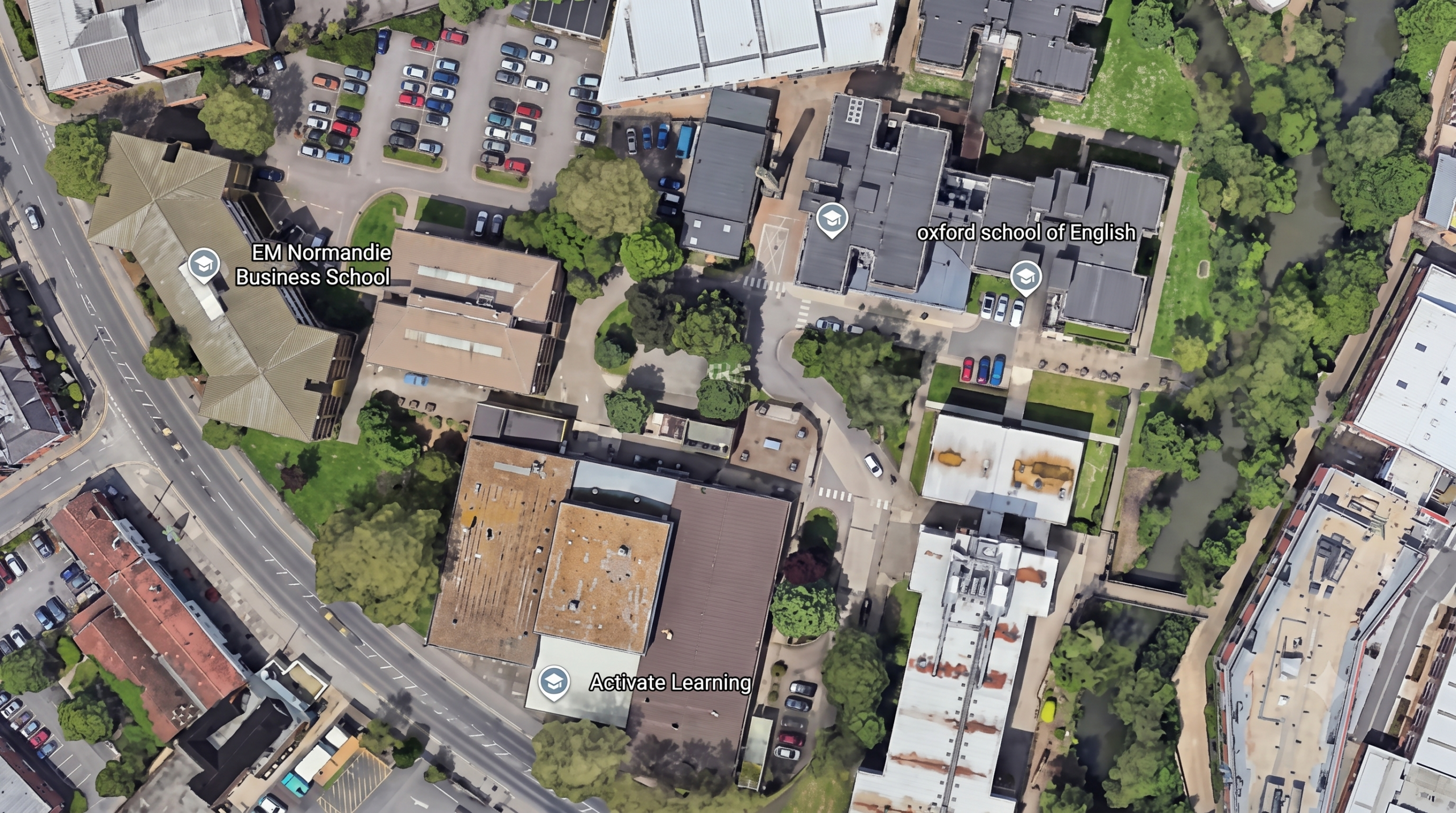
Activate Learning appointed London Drainage Facilities Ltd (LDF) to replace a failed section of underground drainage at its Oxford campus, a site that had to keep operating normally throughout. The existing pitch fibre pipework had reached the end of its serviceable life and was heading towards failure. Replacing it meant excavating to approximately 3 metres, through ground with a high water table and live services running close by, without interrupting a single day of campus operations.
LDF was appointed as both Principal Contractor and Principal Designer, taking responsibility for the design, the safety and the delivery of the works. The project ran for 8 weeks and was completed with the campus fully open to students, staff and visitors from start to finish.
The Challenge
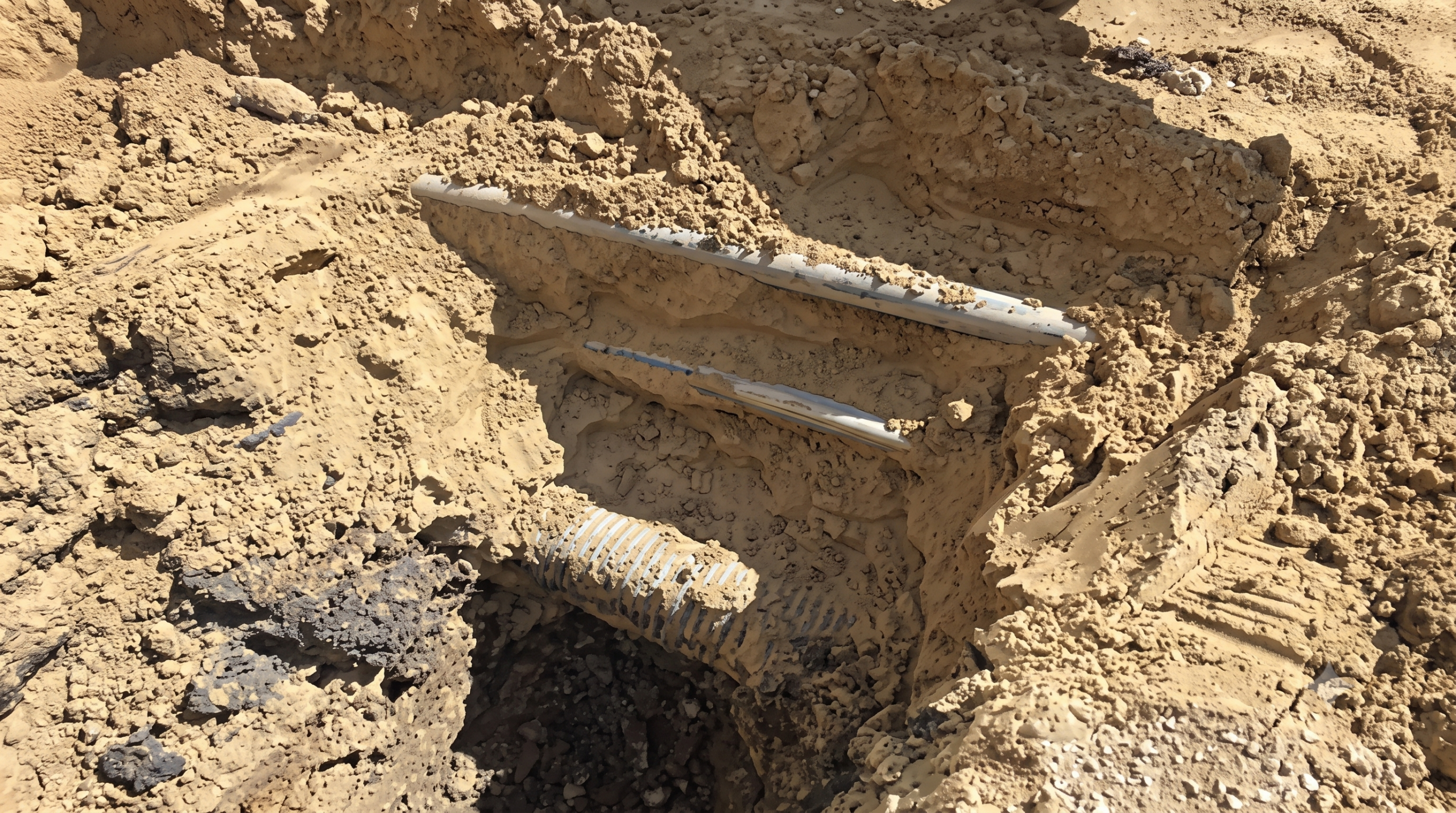
On a live education campus, a drainage problem is never only a drainage problem. Failed pipework beneath a busy site quickly becomes an operational risk: blockages, backups and disruption in the middle of a working term. The pitch fibre drainage at the Oxford campus was ageing and no longer fit for purpose, and full replacement was the only long-term fix.
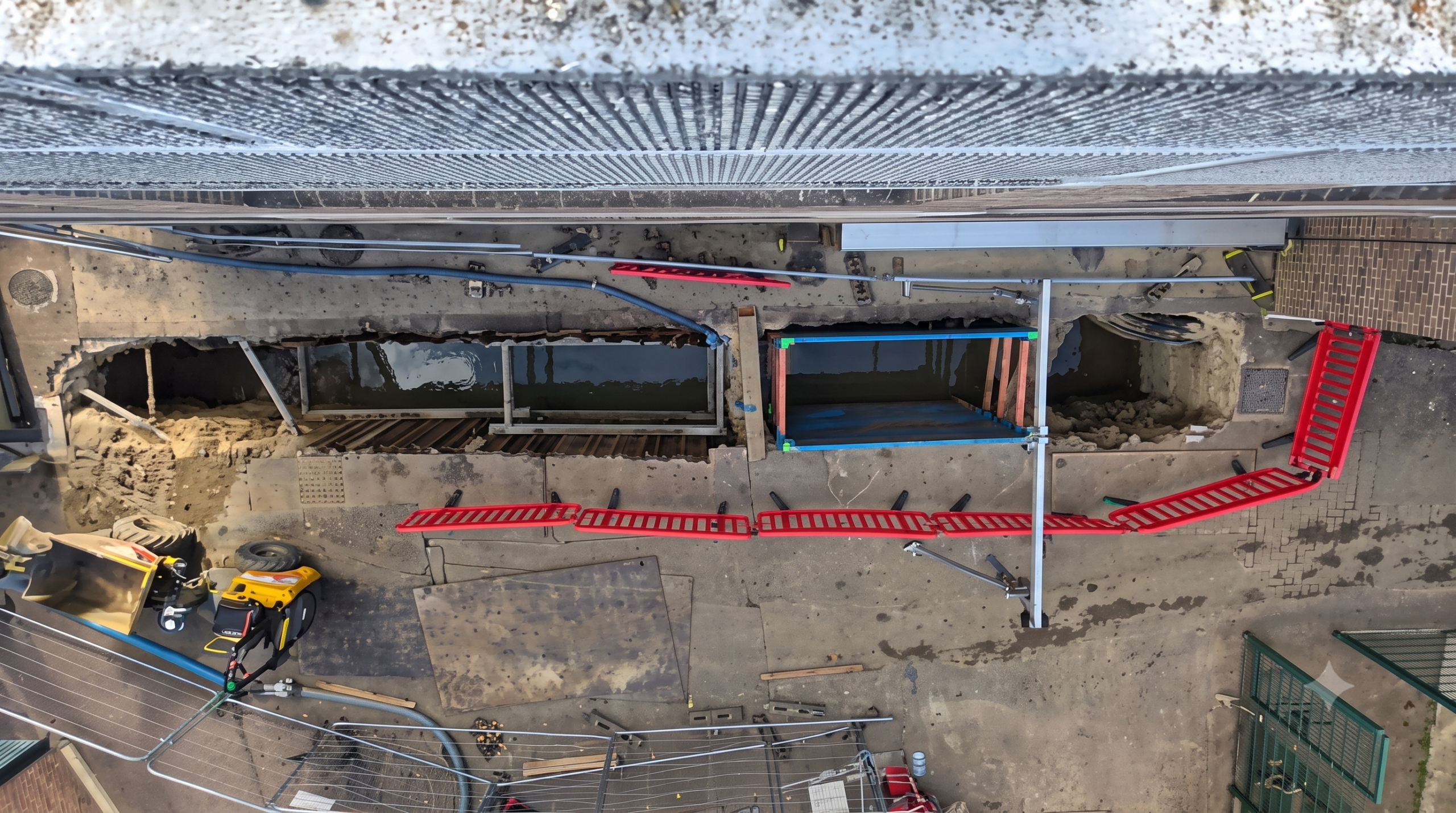
That replacement carried real complexity. The defective pipework sat deep, requiring a high-risk deep excavation of 14m x 3m x 2m and working to around 3 metres below ground. At that depth, two factors shaped the entire approach:
- Groundwater. The excavation depth brought a high risk of water ingress, so groundwater management had to be planned in detail before any digging began.
- Existing services. Live utilities ran through and around the dig area and had to be located and protected before excavation could start.
On top of this, the campus stayed open throughout. Pedestrian and vehicle routes, exclusion zones and public protection all had to be managed around students and staff going about their day. Temporary works planning had to be completed well in advance, and every decision, from design to daily inspection, was shaped by the high-risk classification of the works.
Our Approach
LDF planned the works around two fixed priorities: keep the campus running, and keep everyone on and around the site safe. As Principal Designer and Principal Contractor, we controlled both the design and the delivery under CDM, from first survey to final reinstatement.
Site Establishment
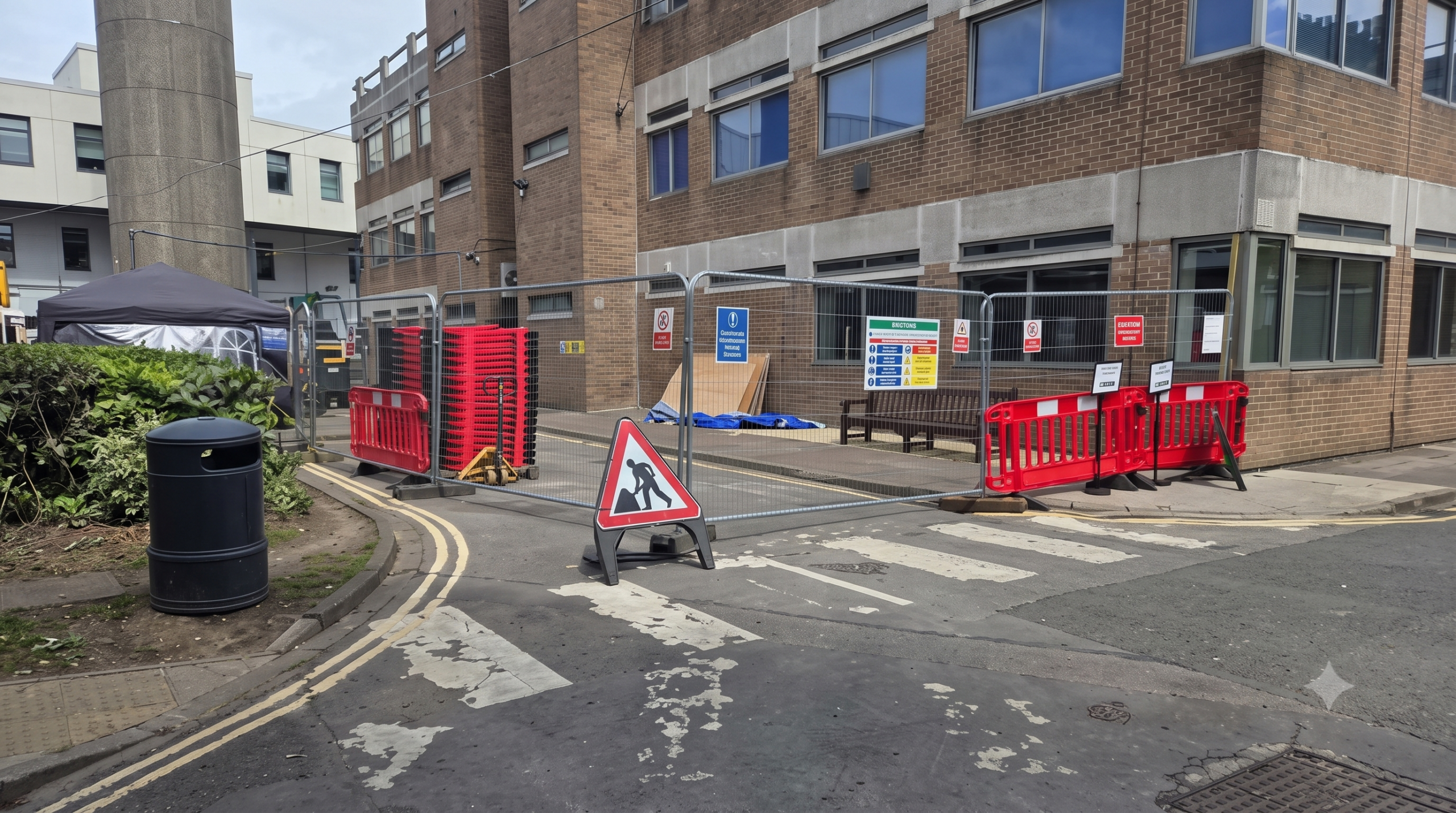
Before any groundworks, we established a secure site compound with Heras fencing and clearly marked exclusion zones, delivered welfare facilities and completed site inductions. Traffic and pedestrian management was put in place so the campus could keep moving safely around the works.
Service detection and investigation
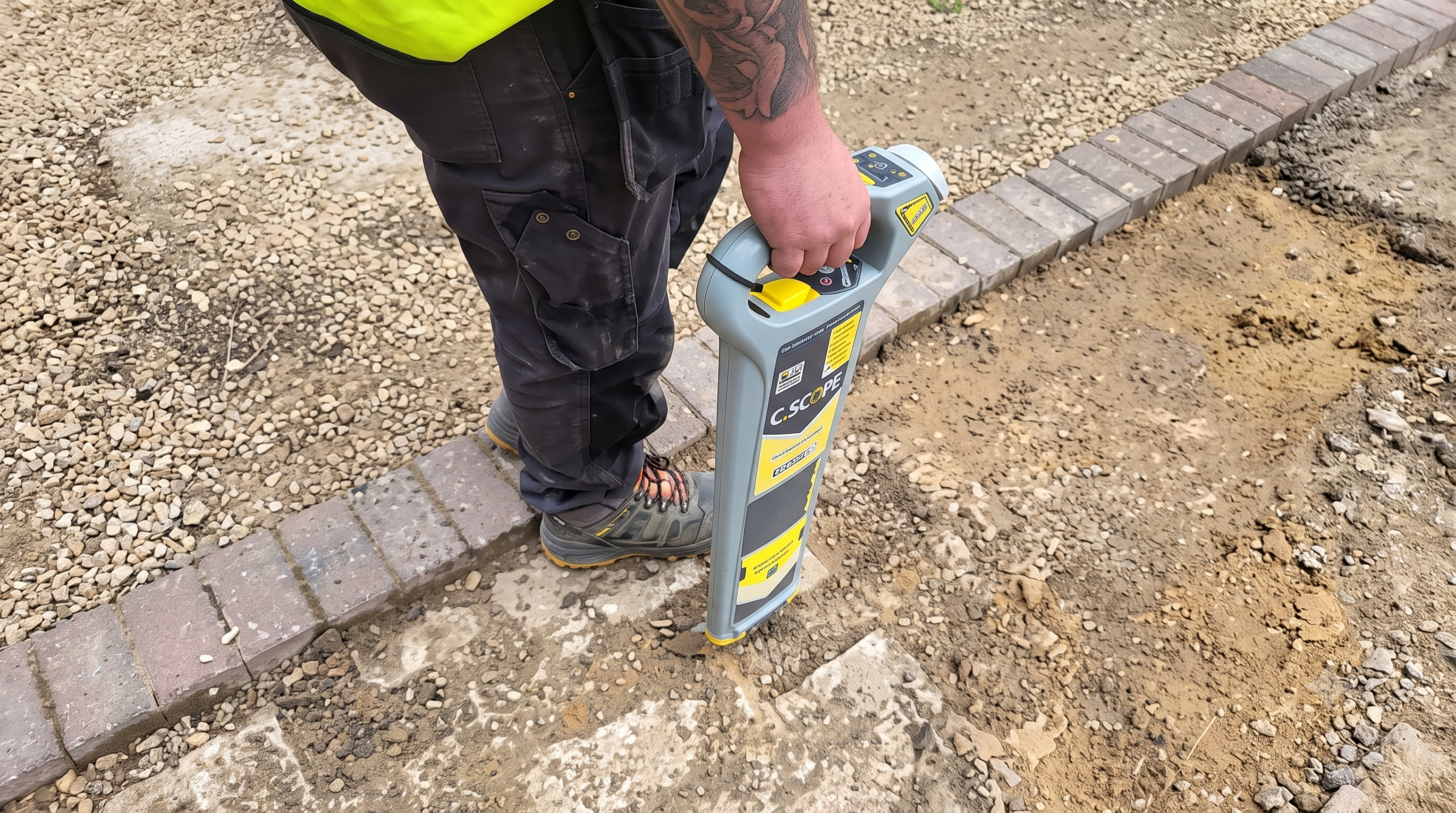
We reviewed the available utility drawings, then verified them on the ground with CAT and Genny surveys and trial excavations to confirm the position of existing services. The drainage network itself was investigated so we knew exactly what we were dealing with before breaking ground.
Deep excavation and groundwater
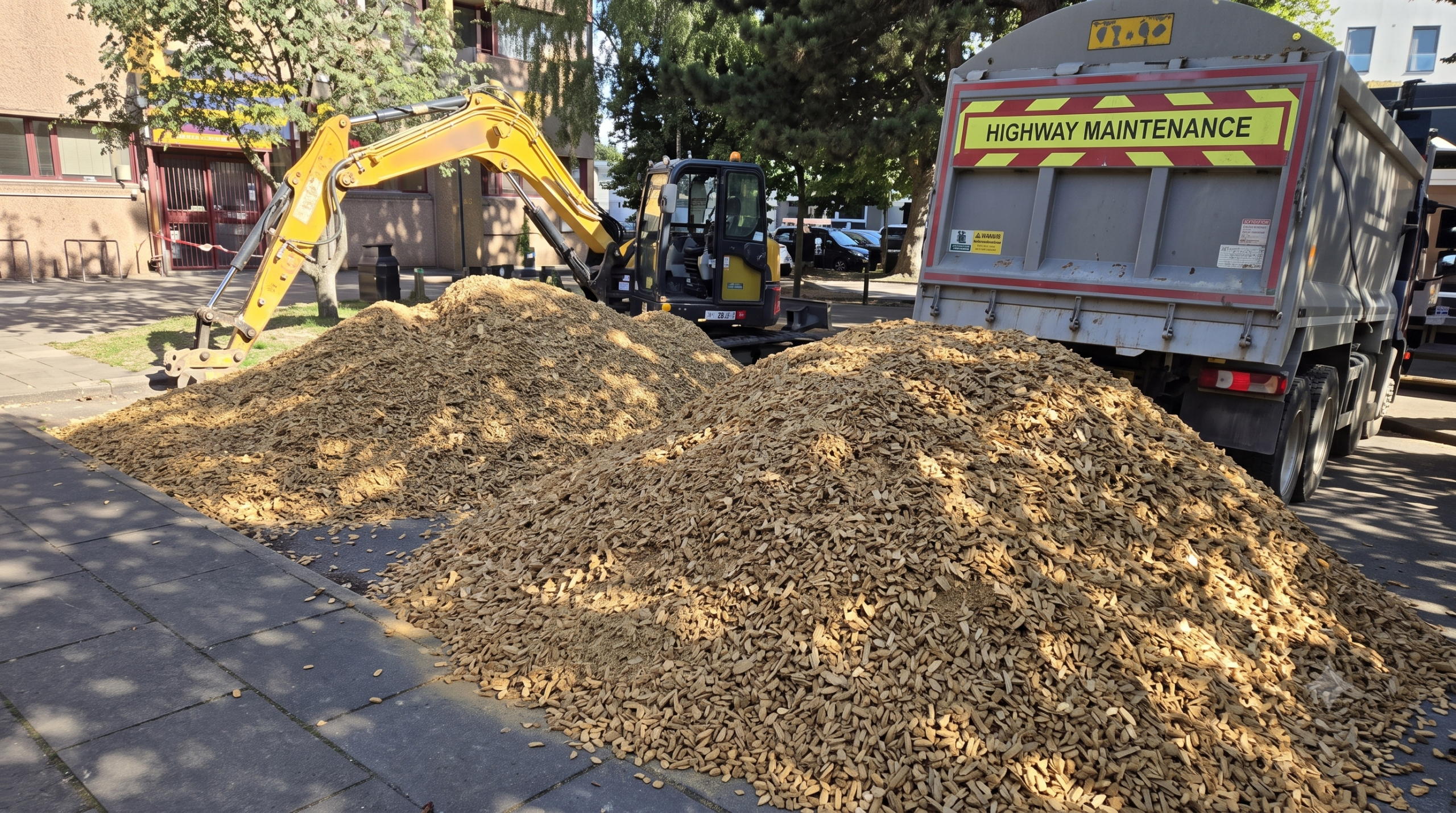
Excavation was carried out to approximately 3 metres, with temporary works installed where required to support the dig. Groundwater was managed throughout using pumps and dewatering equipment. Every excavation was inspected daily, and work proceeded under a Permit to Dig and a Temporary Works Design.
Drainage installation
The defective pitch fibre pipework was removed and replaced with new twin-wall drainage. New inspection chambers were installed to improve future maintenance and access. All connections were tested before backfilling, so nothing was covered over until it was proven to work.
Testing and quality assurance
Once installed, the new drainage was proven, not assumed. A CCTV survey was completed, chambers were checked and pipe gradients were verified against specification. Quality assurance inspections confirmed the works met the required standards before sign-off.
Reinstatement
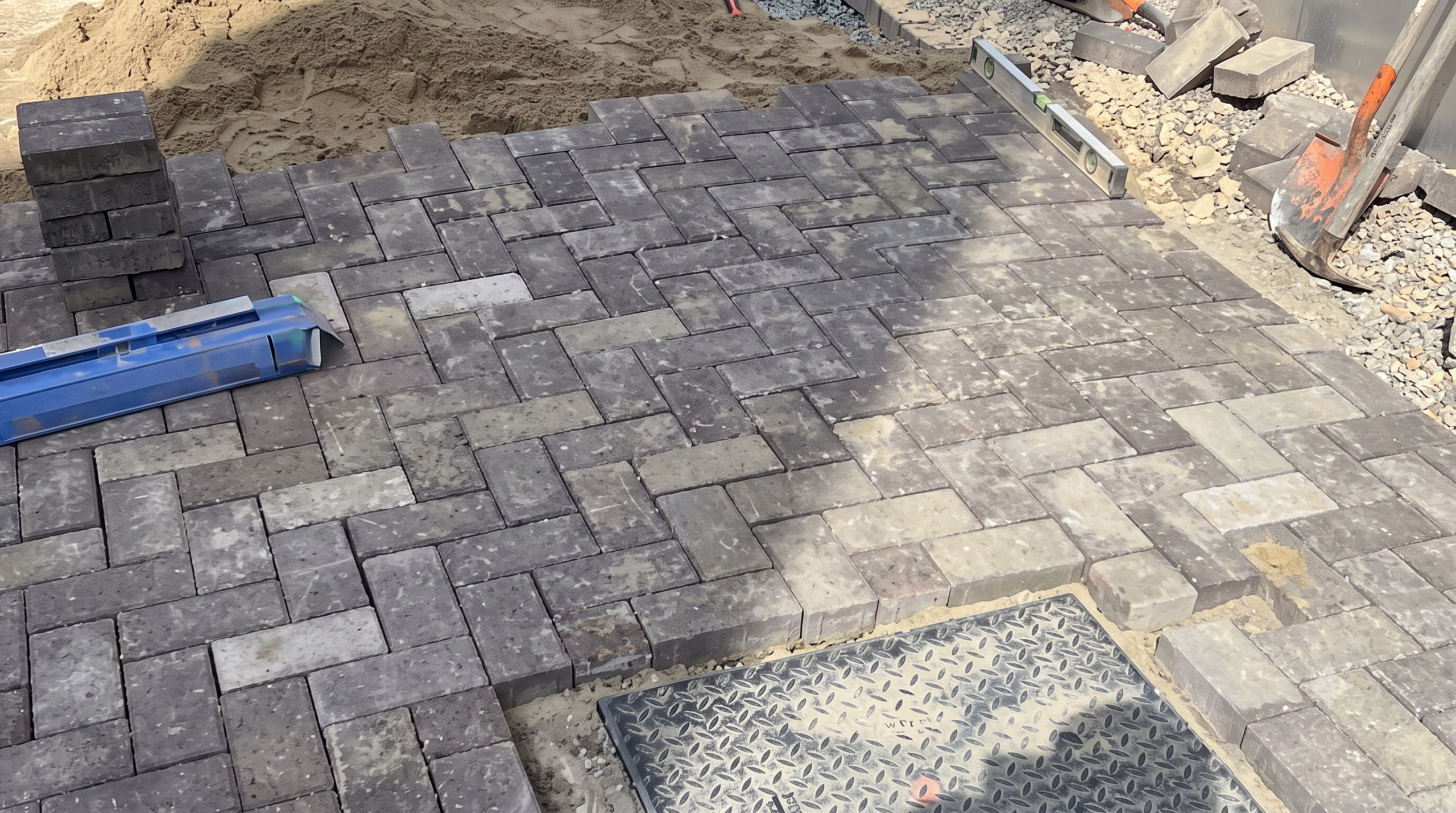
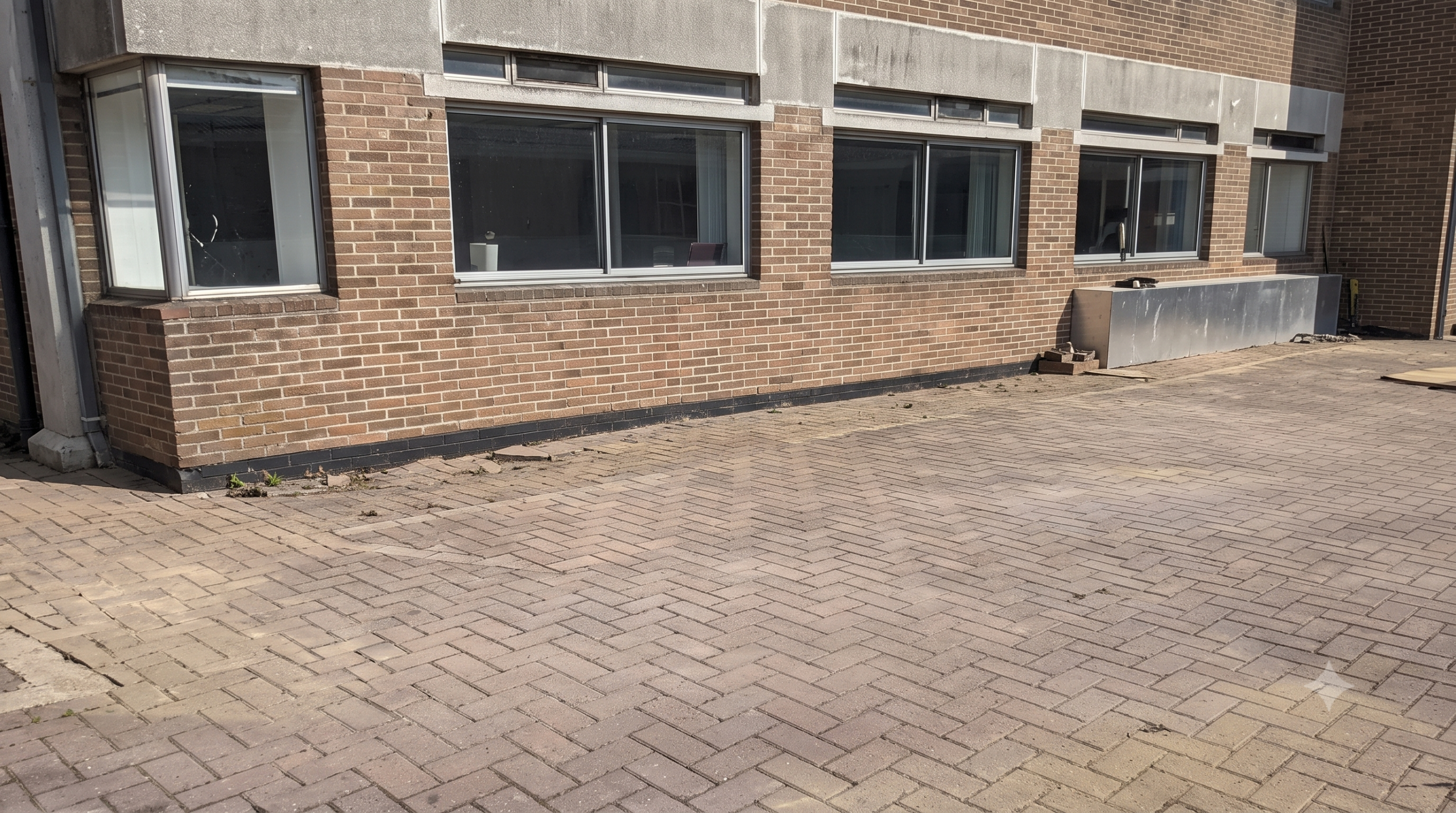
Excavations were backfilled and compacted, and all disturbed areas were fully reinstated, including paving, roads and landscaped areas. Temporary fencing was removed, the site was cleaned and a final client inspection completed the project.
Safety and environmental performance
Safety ran through every stage. Daily toolbox talks, daily excavation inspections, CAT scanning, excavation support and public protection measures kept the team and the campus safe throughout, all managed under strict CDM controls. Environmentally, excavated materials were segregated for reuse and recycling wherever possible, non-reusable materials were disposed of under control, and excavation volumes were kept to what the job required, reducing both waste and carbon.
The Outcome
The failed drainage was fully replaced with a modern, durable system, removing the risk of the blockages and failures the old pitch fibre pipework was heading towards. New inspection chambers now make future maintenance easier and more accessible, and the new network was tested and signed off against specification.
Just as importantly, the campus never stopped. Students, staff and visitors kept using the site throughout, with minimal disruption, and every excavated area was reinstated, from paving and roads to landscaped ground. The project was completed with zero reportable accidents or incidents, delivered safely in a live educational environment.
In short:
- Ageing, defective drainage removed and replaced with modern, durable twin-wall infrastructure.
- New inspection chambers installed to improve future maintenance and accessibility.
- Improved drainage performance, reducing the risk of future blockages and system failures.
- Campus operations maintained throughout, with minimal disruption to students, staff and visitors.
- All excavated areas fully reinstated, including paving, roads and landscaped areas.
- Zero reportable accidents or incidents, delivered under strict CDM controls.
About This Project Type
Deep drainage replacement on a live, occupied site is one of the more demanding jobs in commercial drainage. It combines deep excavation, groundwater management and the protection of existing services with the need to keep a busy site running safely throughout.
For education, healthcare and other essential environments, that last point is decisive: the works cannot be allowed to interrupt daily operations. LDF takes on these projects as Principal Contractor and Principal Designer, managing design, safety and delivery under CDM across London and the South East, and reinstating the site fully once the drainage is proven.
Work with LDF
LDF delivers drainage and civil engineering works for education providers and other multi-site organisations across London and the South East, day in, day out.
Call our 24-hour helpline: 0800 612 2179
Or visit: london-drainage.com/education/
Some images on this page have been digitally enhanced to improve resolution.