
London Drainage Facilities (LDF) details exactly who is responsible for repairing our drains and sewers. Who is responsible for repairing drains? Generally, as a rule of thumb a homeowner is responsible for the drains that fall within the boundaries of their property and in the event of something going wrong, they will be required to...Continue reading→
Maintaining your drains
Being able to solve issues with your drains is an incredibly useful talent. However, sometimes you might require help maintaining them to an even higher standard.
The Problem
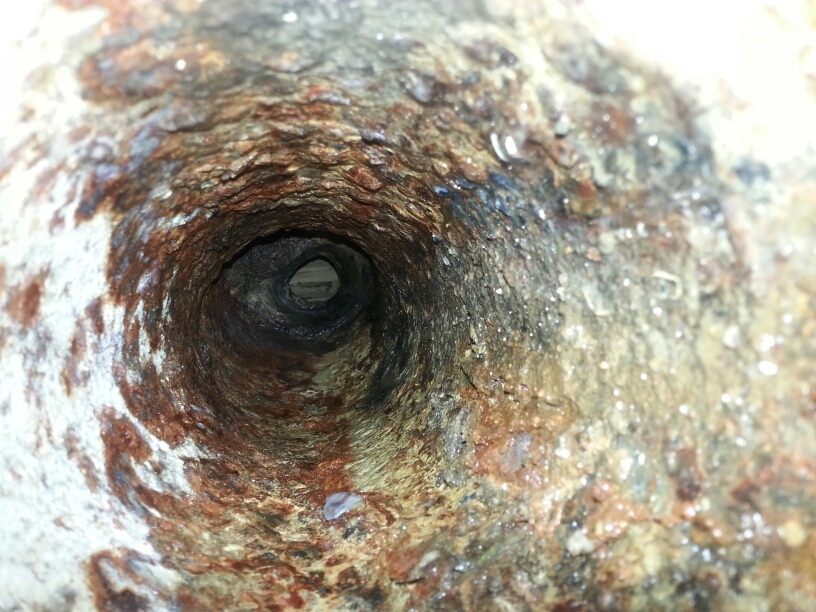
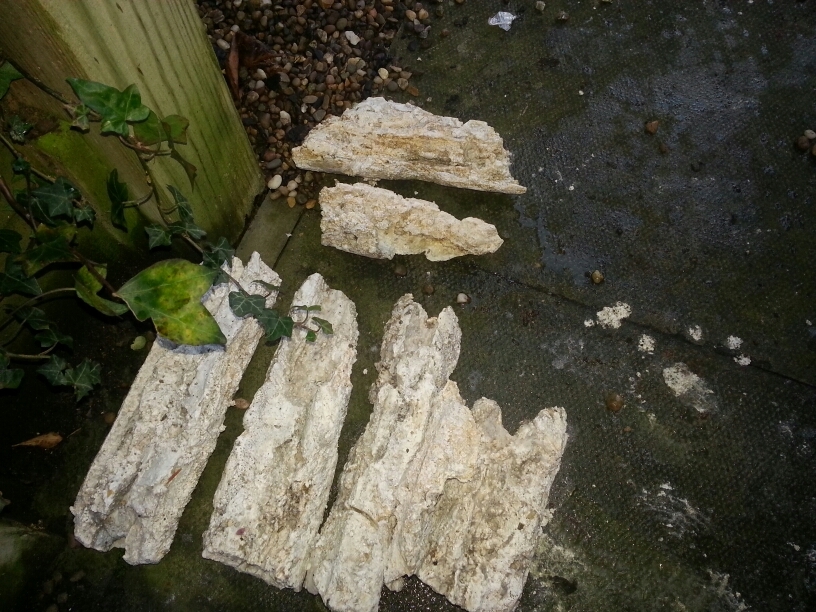
A blocked drain in or around the home is something that can not only cause damage to your home; it can be a really smelly problem as well. If you can keep your drains functioning properly and with little problems, you’ll find that blockages and other issues rarely arise. Prevention is usually far more effective than cure, and with these helpful tips and tricks you’ll find it far easier to keep your drains running smoothly.
The Solutions
Hot Water
To maintain your indoor drains, one of the easiest ways to keep them clear and free from blockages is to pour boiling water down them on a regular basis. A kettle full of boiling water once a week can be a substantial help in removing build ups of fats, oil and grease and preventing blocked drains.
If you do this regularly enough you’ll find that it keeps your drains clear and prevent the need for any drastic action because something has gone wrong further down the line.
Baking soda and vinegar
We never recommend using strong chemical cleaners on your drains, as you can never be sure what they’ll react with and if they will damage your drains. You can use a weaker cleaner though. The best solution is a combination of baking soda and vinegar poured down the drain, followed by hot water. You will be able to hear a small chemical reaction occurring once you have done this. This reaction helps to remove stubborn dirt and grime and should be done two to three times a year as a form of seasonal maintenance.
Watch what you drop down the drains
The best way to maintain your drains is by being extremely careful with what you put down them. While most drains are designed to carry waste and small items such as toilet roll, waste pipes don’t deal very well with grease and fat from food, cleaning wipes, dental floss, nappies or sanitary products.
You should be very wary about what you leave to go down your drains and should try and dispose of waste into the rubbish bin where possible. With fats and grease you can pour them into a bottle or food storage container and dispose of them into the garbage.
Clear debris from outside
If you’re trying to keep your drains outside well maintained, it’s a good idea to make sure they are clear of debris at the point at which they enter the ground. This involves checking your gullies for leaves and twigs in order to ensure that they don’t restrict water flow at any point.
If you need any further advice or professional help with drain unblocking, please don’t hesitate to give us a call on 0800 612 2179. We strongly recommend all property types, whether they are domestic or commercial, maintain their drains once a year to prevent possible blockage problems.